|
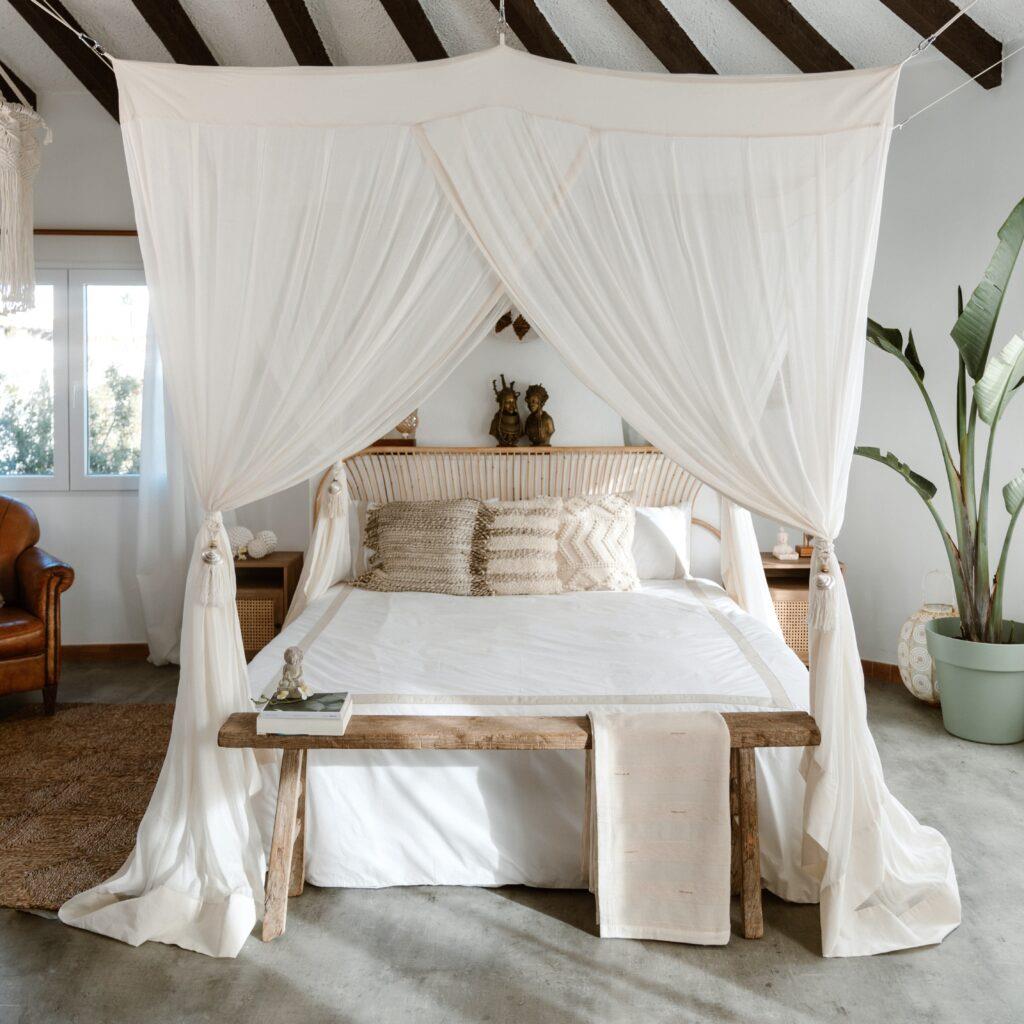
A bedroom should do more than hold a bed. It should soften the pace of the day, create a sense of privacy and make it easier to settle into rest. That is the idea behind nusarah.com, a brand shaped by craftsmanship, natural inspiration and a careful approach to comfort. By combining elegant mosquito nets, tactile textiles and considered accessories, a bedroom can become a calm retreat rather than simply another functional room. Start with the feeling you want to createBefore choosing colours, fabrics or furniture, think about the emotional quality of the space. Some bedrooms feel bright and airy, while others feel intimate and cocooning. Neither direction is inherently better. What matters is consistency. A peaceful room often begins with a restrained palette, but restraint does not mean that everything must look pale or plain. Warm neutrals, muted greens, clay tones and soft charcoal can all create depth without making the room feel busy. Natural materials help as well. Cotton, canvas, wood and woven fibres introduce texture, and texture gives a room character even when the colour scheme remains subtle. The goal is not to create a showroom. A bedroom should still feel personal. A favourite book, a handmade object or a textile collected during travel can prevent the interior from becoming overly polished. The most inviting spaces usually balance refinement with small signs of real life. Use fabric to soften hard linesBedrooms contain many straight, fixed elements: walls, wardrobes, bed frames and windows. Fabric can interrupt those lines and make the room feel more fluid. Curtains are the obvious example, but a well-designed mosquito net can have an even stronger visual effect. A round model creates a gentle, draped silhouette and works well in rooms where simplicity is important. Rectangular or square models offer a more architectural appearance, especially around a larger bed or box spring. Because these designs are suspended from several points, they can define the sleeping area without adding a solid partition. The material changes the atmosphere too. Cotton has a soft, breathable quality and tends to create a relaxed, tactile look. Fine polyester feels lighter and more structured, which can suit a cleaner interior. In both cases, proportion matters. The fabric should have enough room to fall naturally around the bed without restricting movement. A mosquito net is therefore not only a practical layer of insect protection. It can become a visual frame around the place where the day begins and ends. Make comfort visibleGood bedroom design is often described in terms of appearance, yet the best choices are those you can feel. Airflow, ease of movement and the way materials behave all influence comfort. A net with an unsuitable weave may feel enclosed, while a model with carefully balanced mesh can support both protection and ventilation. Placement is equally important. The opening should remain easy to reach, and the fabric should not pull tightly against the mattress. Around larger beds, generous dimensions create a more elegant fall and reduce the chance that the material feels restrictive. Details that seem minor can make a considerable difference. Reinforced edges support the shape of the design. Metal rings provide stable attachment points. Strong canvas borders are particularly useful for outdoor models, where the fabric may face wind and changing conditions. Comfort becomes more convincing when every functional choice also contributes to the visual calm of the room. Choose craftsmanship over disposabilityA restful interior is not created by constantly replacing objects. It grows over time through materials and products that remain useful, attractive and meaningful. Small-batch production can support this approach. When items are made in limited quantities, there is more room for careful finishing, quality control and a distinct identity. Handcrafted work also reveals subtle differences that mass production often removes. A seam, edge or tassel may carry the trace of the person who made it, giving the object a sense of presence. Ethical production adds another layer of value. Fair working conditions, safe ateliers and responsible wages are not visible at first glance, but they influence the integrity of the final product. The same applies to material choices. Natural cotton, recycled fibres and reusable packaging help reduce unnecessary waste, especially when they are part of a long-term production philosophy rather than a temporary marketing claim. Durability is important here. A product that remains in use for years usually has a smaller impact than one that must be replaced frequently. Care, storage and repair all belong to the same conversation. They extend the life of an item and encourage a more deliberate relationship with the things we bring into our homes. Create a layered setting around the bedThe bed is the centre of the room, but it should not stand alone visually. Layers create connection. A spread can introduce weight and colour, cushions can add softness, and a mosquito net can provide height. Variation in texture is more effective than using many unrelated colours. A smooth cotton sheet, a woven throw and a canvas detail can sit together harmoniously because each surface reacts differently to light. Tassels can add movement and make the opening of a mosquito net feel decorative without becoming ornate. Scent can also shape the room. Incense, natural fragrance and cleansing rituals may help signal the transition from activity to rest. The effect is partly sensory and partly behavioural. Repeating the same quiet evening routine can make the bedroom feel distinct from the rest of the home. Lighting should support that transition. Bright overhead light is useful when cleaning or organising, but softer lamps are better suited to the final hours of the day. Place light sources at different heights so that the room can change character without changing its contents. Bring the same sense of calm outdoorsThe desire for comfort does not stop at the bedroom door. A terrace, pergola, patio or balcony can become an extension of the living environment when it is furnished with the same attention. Outdoor mosquito nets create a protected zone for dining, reading or resting. Reinforced polyester and durable canvas borders are better suited to these settings because they can tolerate more movement and exposure than delicate indoor fabrics. The structure should still feel light, however. Outdoor comfort is most appealing when protection does not block the sense of openness. A hammock, a few weather-appropriate cushions and a soft throw can complete the setting. The aim is not to reproduce an indoor room outside, but to create a place that feels intentional. Even a compact balcony can become more restful when every object has a clear purpose. Seasonal care remains essential. Air fabrics regularly, follow the cleaning instructions on the label and store items in a breathable cotton bag when they are not being used. Good maintenance protects both the appearance and the structure of the material. Design for awkward rooms instead of against themNot every bedroom has straight walls and generous proportions. Sloped ceilings, narrow corners and unusual layouts can make standard solutions feel clumsy. Flexible suspension points offer a way to adapt the design rather than forcing the room into a conventional arrangement. A mosquito net can be positioned to follow the shape of a sloping ceiling, provided the attachment points are planned carefully. The fabric should still fall evenly, and access to the bed should remain comfortable. In smaller rooms, a lighter material may prevent the design from feeling too dominant. In larger spaces, a rectangular model can help give the sleeping area stronger definition. Measure more than the mattress. Consider the width around the bed, the height of the ceiling and the direction in which you naturally enter and leave the sleeping area. These practical observations often matter more than decorative rules. Let sustainability influence the detailsSustainable interiors are built through a series of specific decisions. Packaging, labels, storage bags and leftover materials may seem secondary, but together they reveal how seriously a brand approaches responsibility. Reusable cotton bags can protect products between seasons while replacing disposable plastic. Recycled paper can reduce the impact of labels and printed materials. Rest materials can be incorporated into smaller accessories rather than discarded. Unsold stock can be donated, allowing useful products to continue their life elsewhere. Innovation is also part of responsible design. Synthetic materials are sometimes necessary for strength, shape retention or outdoor performance. The challenge is to improve how those materials are sourced and reused. Recycled plastic can become a practical input for new textiles, reducing dependence on virgin resources without sacrificing function. A calm home is not only defined by what it looks like. It is also shaped by the knowledge that its contents were chosen with care, made with respect and designed to remain valuable over time. |